 由 jingzhang
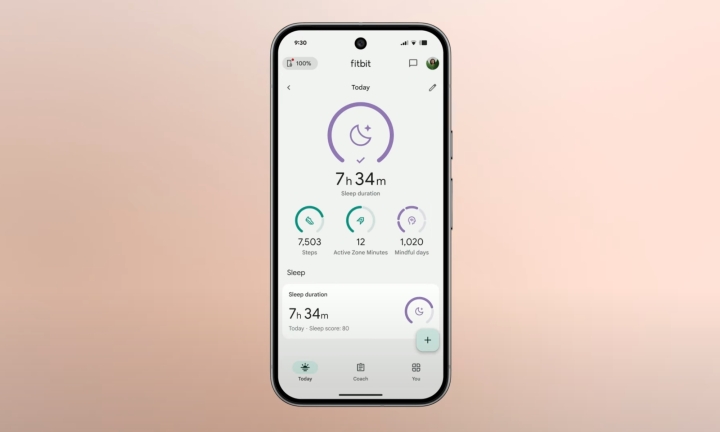
Fitbit Premium users are getting a game-changing, AI-powered fitness coach that transforms the app into a conversational fitness companion.
- Fitbit is rolling out a new AI-driven personal coach app for Premium subscribers in the United States (via blog post).
- Although still under development, the upgrade brings Gemini AI integration directly into the Fitbit app, enabling conversational health coaching.
- It lets users interact with an assistant that’s aware of their fitness data and provides personalized advice, goal-setting support, and tailored suggestions to improve activity, sleep, and overall wellness.
Alongside the new conversational AI personal coach, Fitbit Premium users also receive a major app redesign. The new Today tab displays key health metrics and instant feedback from the AI-powered coach in one place.
- This update enhances the real-world functionality of Fitbit’s health platform, shifting it from static tracking toward dynamic, personalized guidance.
- For Fitbit and Google, the update marks an ambitious step toward next-generation health apps, leveraging conversational AI to boost engagement, retention, and differentiation amid fierce competition.
Instead of manually interpreting stats, you can now benefit from real-time recommendations and direct answers to your health and wellness questions.
- For example, you can ask Gemini AI to help you set nuanced objectives, such as running without getting out of breath, and the assistant will break down the goal into actionable steps.
- This hands-on guidance helps you turn your fitness data into real progress, saving time and reducing confusion with its interactive interface.
- Since the feature is currently in public preview, Google is actively collecting user feedback. The rollout will eventually expand to iOS users and broader international markets in the near future.
Start with the business driver behind the metric
A finance ratio is useful only when teams understand what operational behavior moves it. Break revenue, margin or payback into user volume, conversion, pricing, usage and variable cost so a variance can be traced to a real product or sales change. This makes forecasts easier to update because assumptions can change independently instead of rebuilding one large top-down model.
Use cohort evidence before extrapolating growth. AI products often change quickly, so recent cohorts may behave differently from early adopters. Compare retention, spending and support cost by signup period or customer segment before assuming historical averages will continue.
Connect financial metrics to operational decisions
The purpose of the model is not only reporting. It should help decide pricing, hiring, infrastructure commitments and channel spend while there is still time to change course. Separate leading indicators from financial outcomes.
Usage, retention and pipeline often move before recognized revenue or cash. A useful dashboard combines these leading signals with financial results so management can distinguish a temporary accounting lag from a real deterioration in demand. Definitions should remain stable enough that teams do not change the metric when performance becomes inconvenient.
Document assumptions beside the forecast
Model outputs are only as reliable as their assumptions about pricing, conversion, cost and timing. Keeping those assumptions visible makes scenario analysis faster and reduces false precision. Review the model when product behavior changes.
New modalities, pricing plans or sales motions can invalidate old averages. Finance models should evolve with the product rather than forcing new behavior into outdated categories.
Measure the full contribution margin
Gross revenue can hide payment fees, AI serving cost, creator share and support burden. Contribution margin is more useful for deciding whether growth is creating economic value. Segment the calculation by product or customer type because one blended percentage can conceal weak economics in a fast-growing area.
Use scenario analysis for uncertain inputs. AI businesses face volatile usage and infrastructure cost. Base, upside and downside cases help management see which assumptions matter most and where protective actions are available.
Reconcile forecast with actual drivers monthly
Instead of only comparing total spend or revenue, explain how much variance came from volume, price, mix and unit cost. This turns the forecast into a learning system for the business. Practical finance check.
Before acting on the metric described above, define the decision it is supposed to support and the operating assumptions behind it. Compare the forecast with actual user behavior, payment timing and serving cost so changes can be traced to real drivers. Scenario ranges are usually more useful than one precise projection when usage, collections or infrastructure cost remain uncertain.
 admin