 由 admin
Enterprise buyers rarely pay for a dataset merely because it contains millions of records. They pay for permission to use it, the ability to inspect it, and evidence that the data will remain fit for a specific task. A data quality service-level agreement (SLA) translates those promises into measurable obligations. This article builds a practical contract scorecard for AI dataset licensing, with an explicitly hypothetical pricing model rather than fabricated market benchmarks.
1. Define the licensed product before promising quality
Start with a dataset manifest: snapshot date, schema version, covered jurisdictions, permitted uses, prohibited uses, collection methods, update cadence, and lineage references. Separate the content of the records from the rights attached to them. A supplier can deliver perfectly formatted records while lacking authority to license them for model training; that is a rights failure, not a completeness problem.
ISO/IEC 25012:2008 provides a general data-quality model for structured data and identifies fifteen characteristics considered from inherent and system-dependent perspectives. Its definition is useful as a vocabulary, not as a substitute for a bespoke contract. Select only characteristics that matter to the buyer’s stated use case, and define the population against which each metric is measured. For example, completeness of device timestamps is different from coverage of devices in the customer’s fleet.
2. Turn broad quality promises into reproducible tests
An SLA should name the test owner, sample method, frequency, threshold, evidence location, and remedy. For field completeness, define the numerator as non-null records among records where the field is expected. For freshness, specify the delay between an observed event and its availability through the contracted delivery channel. For duplicate rate, publish the deduplication keys and explain what counts as a legitimate repeated event.
Use a frozen reference set for accuracy checks and state who adjudicates disputed labels. Monitor distribution shifts separately: a clean dataset can still become unrepresentative of the deployment population. NIST’s AI Risk Management Framework, published on 26 January 2023, stresses managing risk throughout the AI lifecycle rather than treating a one-time test as proof of enduring trustworthiness. A defensible supplier therefore provides both initial acceptance results and an ongoing change-control mechanism.
3. Design acceptance, incident and renewal gates
Divide service obligations into three windows. The onboarding gate tests a delivered snapshot before the buyer accepts it. The recurring gate checks updates against the same metric definitions. The incident gate explains what happens when upstream sources disappear, rights change, or a critical field degrades. Preserve raw validation outputs, software versions and the exact query used to calculate each score so the customer can reproduce the result.
Not every breach should trigger termination. A minor freshness delay may justify a service credit; an undisclosed source-rights restriction may require immediate quarantine and downstream deletion review. Specify notification windows, cure periods and the scope of any replacement delivery. When the supplier changes a schema, require compatibility tests and a migration notice rather than treating a new version as an automatic equivalent of the old product.
4. Model a rights-adjusted price without inventing a market rate
Consider a hypothetical annual license with a $100,000 reference value for the buyer’s defined use case. Assume a 0.90 verified coverage factor, a 0.95 freshness factor, and a 0.80 rights-usability factor because some redistribution uses are excluded. A simple illustration is adjusted value = $100,000 × 0.90 × 0.95 × 0.80 = $68,400. These are invented assumptions for sensitivity analysis, not observed industry discounts or an assertion that quality dimensions are statistically independent.
That multiplication is only a negotiation aid. Overlapping defects can double-count losses; a rights limitation may instead be a hard eligibility gate that makes a dataset unusable regardless of price. Buyers should run a scenario table: base case, one-quarter update outage, stricter geography, and withdrawal of a key source. Price should also reflect audit costs, internal integration work, retraining expense, and the supplier’s correction commitments.
5. Account for policy and third-party data rights
The EU Data Act began applying on 12 September 2025 and creates new rules around access to and use of certain connected-product and related-service data. It does not mean every dataset becomes freely licensable for AI training, or that personal-data, trade-secret and contract restrictions disappear. The European Commission describes its aim as improving fair access and enabling a more competitive data economy. A buyer should map which legal regime applies to each data category before assuming a new access right includes downstream commercial reuse.
Record provenance, contract chain, collection notice, consent or other lawful basis where applicable, and any geographic or purpose restrictions. Require suppliers to report material changes and give customers a documented response path. Where AI training use is licensed, distinguish model training, evaluation, retrieval augmentation, redistribution and resale; a grant for one use should not be silently expanded to the others.
6. Build a small operating dashboard before scaling procurement
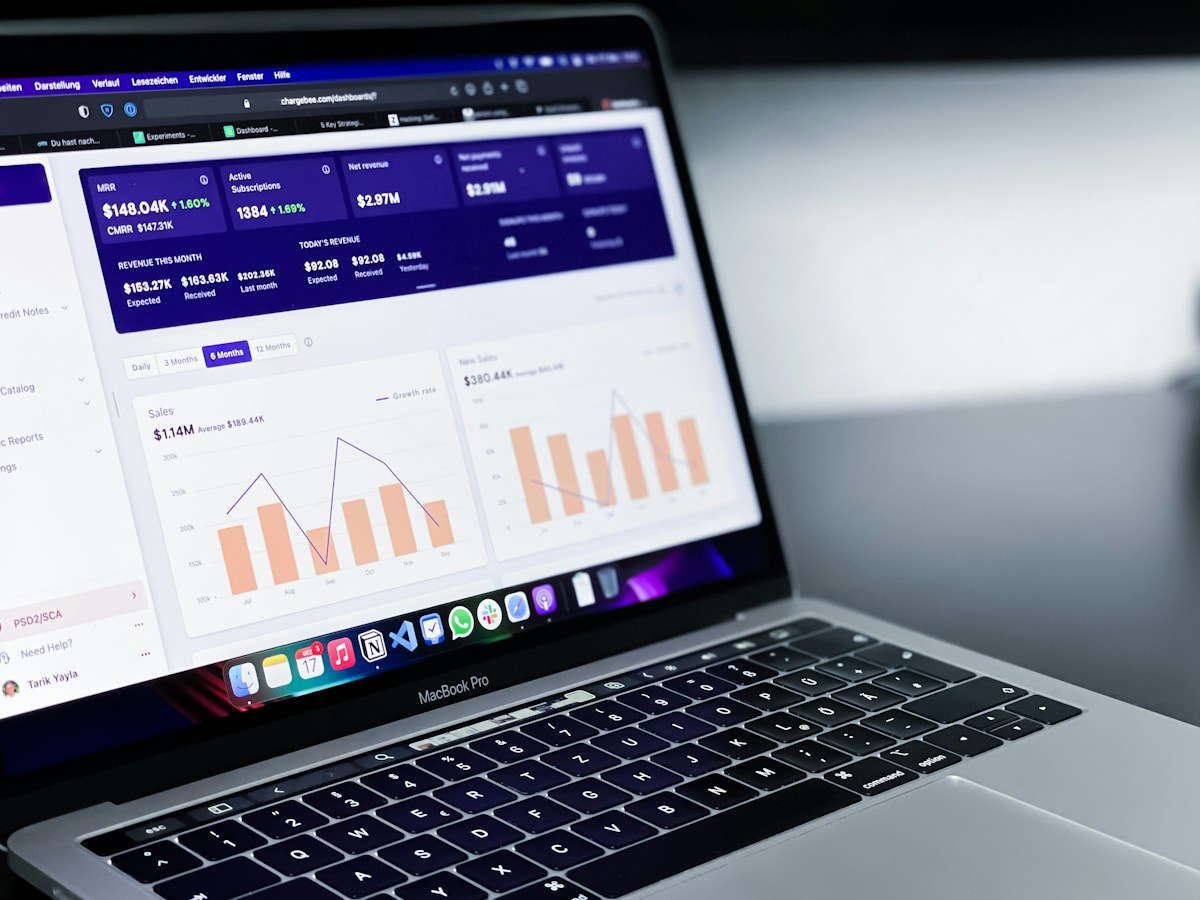
A practical first dashboard can fit on one screen: version and rights status; completeness and freshness against target; sampled accuracy with confidence intervals; customer incidents; source changes; and time to remediation. Assign an owner for each metric. Run a monthly review that pairs performance scores with actual business outcomes, such as analyst hours saved or downstream model error reduction. Never claim causation merely because a data-quality score improved.
For renewal, ask three questions: Did the dataset remain legally usable? Did it pass the acceptance and ongoing tests? Did it deliver measurable value after integration cost? A supplier that can answer all three with evidence is easier to trust and often easier to price. The strategic shift for data markets is from selling opaque volume to selling verifiable, rights-aware, maintainable data products.
Sources and methodology
This is an original procurement framework and illustrative model; the $100,000 base value and quality factors are hypothetical. Primary references: IEC, ISO/IEC 25012:2008, Data quality model (3 Dec 2008); NIST, AI Risk Management Framework 1.0 (26 Jan 2023); European Commission, Data Act (applies since 12 Sep 2025). This article is not legal advice.