admin
admin
A finance and operating framework for reading AI startup gross retention when customers reduce usage before they fully churn.
Churn is often the final signal
Usage-based AI companies can deteriorate before a customer cancels. Teams may keep the account but send fewer requests, move workloads elsewhere or reduce seats. Gross retention should therefore include contraction, not only logo churn.
Separate committed and consumed revenue
A customer may have an annual commitment while actual consumption falls. Track both contracted revenue and product usage so a renewal cliff does not arrive as a surprise.
Cohorts reveal the pattern
Compare customers by start quarter, use case and acquisition channel. A blended retention number can hide weakness in newer cohorts or one product line.
Watch workload migration
Customers may shift expensive workloads to smaller models or competitors while keeping a limited relationship. That can reduce revenue without creating a visible cancellation event.
Gross profit retention can be more informative
If lower usage also reduces compute cost, revenue contraction and gross-profit contraction may differ. Finndy’s NRR guide for usage pricing provides the expansion side of the analysis.
Customer concentration amplifies risk
Contraction in one large account can move company-wide metrics materially. Report retention both including and excluding the largest customers.
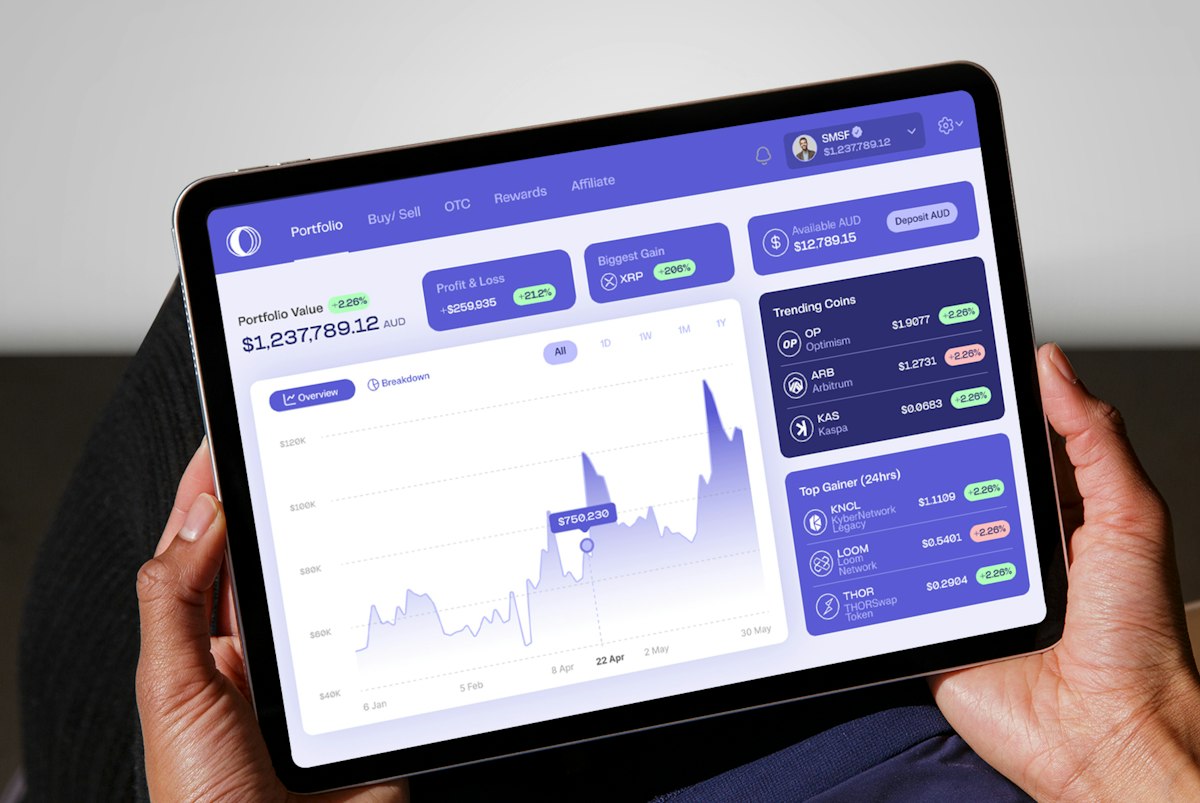
Practical dashboard
Track starting recurring revenue, churn, contraction, ending retained revenue, product usage and gross profit by cohort. This shows whether customers are merely present or genuinely expanding their dependence on the product.